
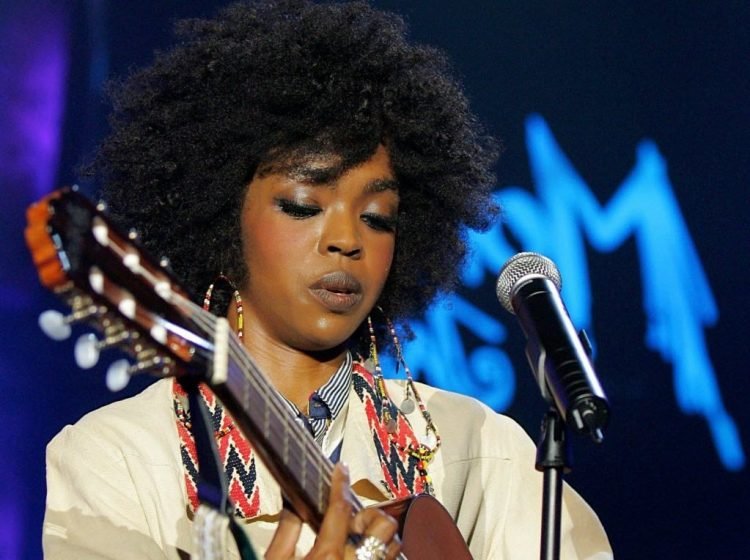
Interest in Lauryn Hill songs has surged again, driven by her 25th-anniversary tour in 2023 and renewed streaming of her catalog. Many listeners discover her music decades after its release, often surprised by its enduring relevance. This article clarifies common misconceptions, explores her most notable tracks, and examines her impact across different audiences.
Clearing Up Myths About Lauryn Hill’s Music Career
A frequent misconception is that Lauryn Hill has a large discography. In reality, she has released only one studio album, The Miseducation of Lauryn Hill, in 1998. Another myth is that she left the Fugees due to a solo career conflict. While tensions existed, her departure was more about creative differences and personal growth. Some also believe her song “Lost Ones” is solely about Wyclef Jean, but it addresses multiple former bandmates and industry figures. Finally, many assume she stopped making music entirely after 1998. She has released occasional singles and live recordings, though no full-length follow-up. A reference profile of the subject is maintained on 20 Best Lauryn Hill Songs: Greatest Hits & Latest Releases
Deep Dive into Her Most Influential Songs and Collaborations
“Doo Wop (That Thing)” became her biggest solo hit, reaching number one on the Billboard Hot 100 in 1998. The song critiques gender double standards and remains a cultural touchstone. “Ex-Factor” is another standout, later sampled by Drake in his 2018 hit “Nice for What.” Hill’s cover of “Can’t Take My Eyes Off You” appeared in the 1998 film Conspiracy Theory and showcases her vocal range. As a member of the Fugees, she contributed to the 1996 smash “Killing Me Softly,” which won a Grammy. Her album won five Grammy Awards in 1999, including Album of the Year. Songs like “Lost Ones” and “To Zion” demonstrate her lyrical depth, addressing personal and social themes.
| Song | Year | Notable Fact |
|---|---|---|
| Doo Wop (That Thing) | 1998 | #1 on Billboard Hot 100 |
| Ex-Factor | 1998 | Sampled by Drake in “Nice for What” |
| Lost Ones | 1998 | Diss track aimed at Fugees members |
| Can’t Take My Eyes Off You | 1998 | Cover for film Conspiracy Theory |
| Killing Me Softly (with Fugees) | 1996 | Grammy-winning hit |
How Lauryn Hill’s Music Resonates Across Generations and Regions
Hill’s blend of hip-hop, soul, reggae, and R&B has attracted a diverse audience. In the United States, her songs are celebrated for addressing race, love, and spirituality. Internationally, her music gained traction in Europe and Africa, where reggae influences resonate. Younger listeners discovered her through samples and covers by artists like Drake and Beyoncé. Her 2023 tour drew fans from multiple generations, proving her cross-demographic appeal. Critics note that her lyrical honesty and genre fusion continue to inspire new artists worldwide.
Timeline of Key Moments in Lauryn Hill’s Song Career
1996: The Fugees release The Score, featuring “Killing Me Softly.” 1998: Hill releases her solo debut The Miseducation of Lauryn Hill, with hits “Doo Wop” and “Ex-Factor.” 1999: She wins five Grammy Awards. 2002: She releases a live album, MTV Unplugged No. 2.0. 2013: Hill serves three months in prison for tax evasion. 2023: She embarks on a 25th-anniversary tour, performing her classic album in full. Throughout, she has released sporadic new songs, including “Neurotic Society” in 2013 and “Black Rage” in 2014.
Frequently Asked Questions
Where was Lauryn Hill born and raised?
Lauryn Hill was born in East Orange, New Jersey, and raised in South Orange. She attended Columbia High School before studying at Columbia University, though she left to pursue music.
Why did Lauryn Hill stop making albums after 1998?
Hill has cited creative pressure, industry exploitation, and personal growth as reasons. She has stated that she felt constrained by fame and wanted to focus on her family and spirituality.
What is Lauryn Hill best known for in music?
She is best known for her 1998 album The Miseducation of Lauryn Hill, which blended hip-hop, soul, and reggae. Her song “Doo Wop (That Thing)” remains a defining hit of the late 1990s.
Is Lauryn Hill still making music today?
She has not released a new studio album since 1998, but she continues to perform live and occasionally releases singles. Her 2023 tour demonstrated that her music remains in demand.
Did Lauryn Hill really have a feud with the Fugees?
Yes, there were tensions, particularly with Wyclef Jean. Her song “Lost Ones” is widely interpreted as a diss track aimed at former bandmates. However, the exact details remain private, and some rumors may be exaggerated.
The Enduring Legacy of Her 1998 Album in Modern Music
The Miseducation of Lauryn Hill continues to influence contemporary artists across genres. Its raw emotional honesty and genre-blending production have been cited by musicians like Adele, Kendrick Lamar, and Janelle Monáe. The album’s themes of love, heartbreak, and social consciousness remain relevant, often appearing in modern playlists and academic discussions about hip-hop and R&B. In 2021, the Library of Congress added the album to the National Recording Registry, recognizing its cultural significance. This recognition solidifies Hill’s place in music history despite her limited solo output.
How Streaming Platforms Have Revived Interest in Her Catalog
Streaming services have introduced Lauryn Hill songs to a new generation. Platforms like Spotify and Apple Music feature her album prominently in curated playlists such as “90s R&B Throwbacks” and “Hip-Hop Classics.” Monthly listeners on Spotify have grown steadily, with peaks during her tour announcements. Younger fans often discover her music through viral TikTok videos that sample her tracks. This digital resurgence has kept her work in public conversation, proving that a single album can sustain a decades-long legacy when it resonates deeply with listeners.







Leave a Reply