
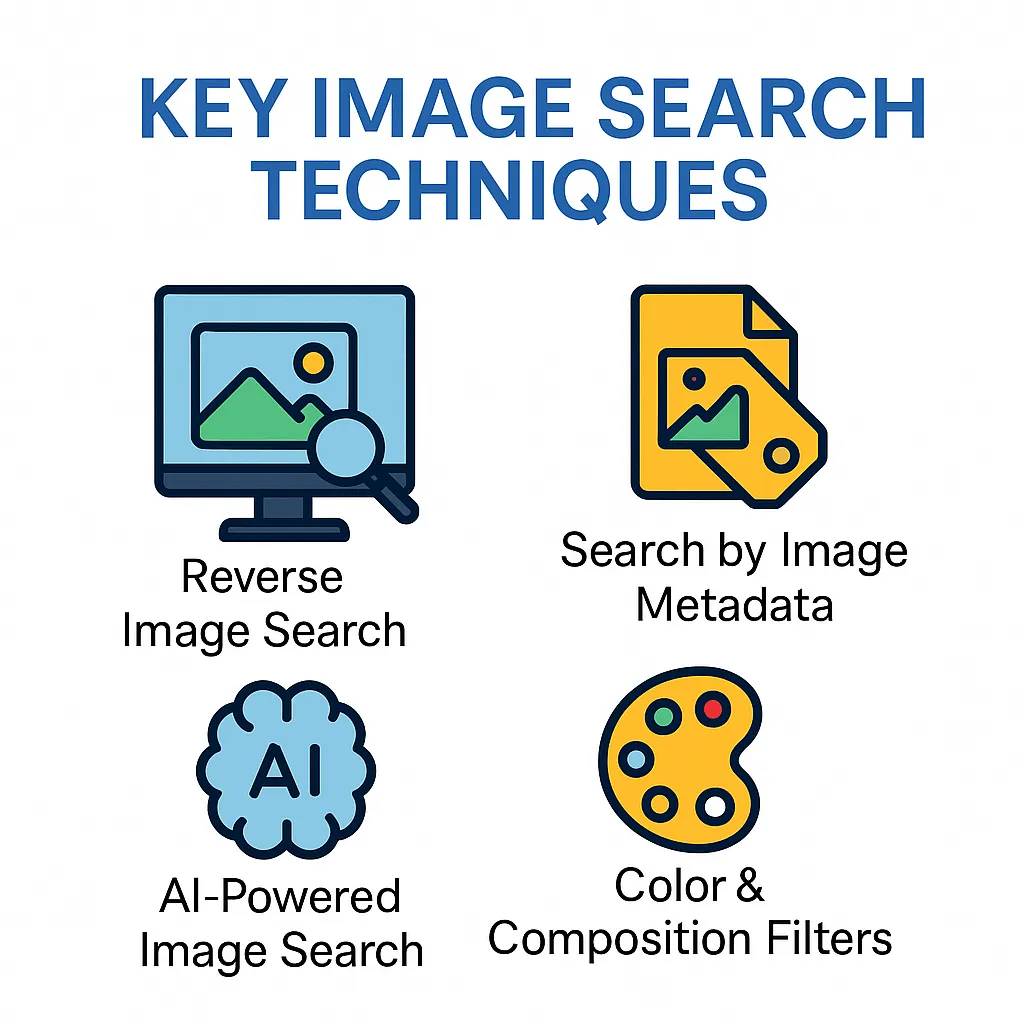
Image search techniques allow users to locate visual content across the web using uploaded images or URLs. These methods are essential for verifying authenticity, tracing origins, and identifying manipulated media. On a related note, Instagram Search Queries Optimization: Boost Visibility and Reach adds useful context
One widely used approach is reverse image search, which compares an uploaded image against indexed databases to find matches or similar visuals. This technique gained prominence in the early 2010s as digital misinformation spread across social platforms. Public records covering this story are gathered in Reverse image search
How Reverse Image Search Works and Where to Use It
Reverse image search operates by analyzing visual features such as color patterns, shapes, and textures. Platforms like Google Images and TinEye use algorithms to generate a unique fingerprint of the image, then scan their databases for matches.
This method is particularly useful for journalists, educators, and fact-checkers. For example, during the 2013 Boston Marathon investigation, authorities used reverse image analysis to track suspect movements through surveillance footage and public photos. Public records covering this story are gathered in Image search techniques
Users can access these tools directly through search engines. Google’s image search allows uploading a file or pasting an image URL. TinEye, launched in 2008, specializes in exact and near-exact matches and is often used by photographers to monitor unauthorized use of their work.
Another application is identifying outdated or misattributed images. A photo shared as current news may actually be years old. By running it through a reverse search, researchers can uncover its original context and publication date.
Advanced Methods for Locating Image Sources and Context
Beyond basic reverse searches, advanced image search techniques include metadata analysis and cross-platform comparison. Metadata embedded in image files can reveal camera type, location, and editing history, though this data is often stripped on social media.
Tools like ExifTool allow users to extract and examine this information when available.
Cross-platform searching involves checking multiple search engines and databases. While Google indexes billions of images, specialized platforms like Yandex Images or Bing Visual Search may yield different results due to varying algorithms and regional indexing.
Geolocation tagging is another layer. Some image search tools can estimate where a photo was taken based on landmarks or environmental features. This technique helped identify the location of a 2017 viral image showing a protest in Venezuela by matching building architecture to known sites in Caracas.
Researchers also use image search techniques to detect deepfakes and AI-generated content. While still evolving, tools like Microsoft’s Video Authenticator analyze pixel inconsistencies and lighting anomalies to flag potential manipulations.
What Is Confirmed and What Remains Unverified
However, the accuracy of metadata analysis depends on whether the data was preserved. Many social media sites automatically remove EXIF data upon upload, limiting its usefulness.
The ability to detect AI-generated images is still developing. While some tools show promise, they are not yet reliable across all types of synthetic media. False positives and missed detections remain common.
Additionally, image search techniques may fail with heavily edited or low-resolution images. Compression, cropping, and filters can alter visual fingerprints enough to prevent accurate matching.
Privacy is another concern. Uploading personal images to third-party search engines may expose them to unintended indexing or data collection, though most platforms claim not to store uploaded files permanently.
Why These Techniques Matter for Online Safety and Accuracy
As visual content dominates online communication, the ability to verify images is critical. Misleading photos can influence public opinion, spread false narratives, and damage reputations.
Image search techniques empower individuals and organizations to combat misinformation. Schools, newsrooms, and government agencies increasingly train staff in digital verification methods.
Looking ahead, improvements in AI and machine learning will likely enhance detection capabilities. Integration with fact-checking platforms and browser extensions could make these tools more accessible to everyday users.
For now, combining multiple methods—reverse search, metadata review, and cross-platform checks—offers the most reliable approach. Staying informed about new tools and limitations ensures more accurate and responsible use of visual information online.





Leave a Reply