
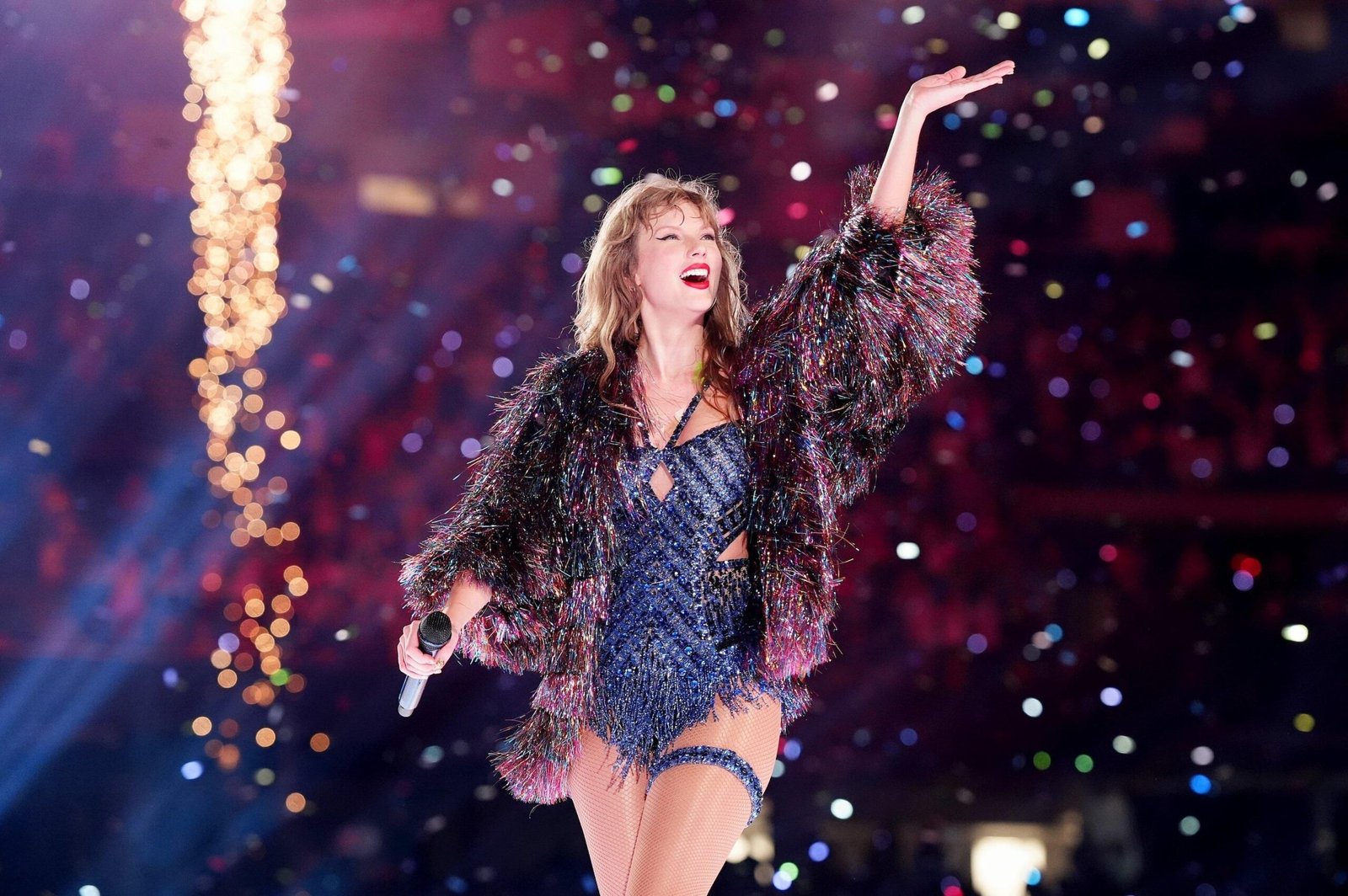
Taylor Swift has become one of the most commercially successful recording artists of the 21st century. Her career spans multiple genre shifts, from country roots to pop dominance, and her business decisions have reshaped industry conversations around artist ownership and fair compensation. For a complementary read on the same theme, see Renee Rapp Height: What We Know About the Actress’s Stature
From Country Prodigy to Global Pop Star
Taylor Alison Swift signed with Big Machine Records in 2005 at the age of 15. Her self-titled debut album arrived in 2006, establishing her as a rising voice in Nashville’s country music scene. The album produced singles like “Tim McGraw” and “Teardrops on My Guitar,” both of which charted on the Billboard Hot Country Songs chart. A reference profile of the subject is maintained on Taylor Swift
Her second album, “Fearless,” released in 2008, marked a significant commercial breakthrough. It won the Grammy Award for Album of the Year in 2010, making Swift the youngest artist to receive that honor at the time. The album’s crossover appeal brought country music to a broader pop audience, a pattern that would define her subsequent releases.
By 2014, Swift had fully transitioned to pop with “1989,” which drew inspiration from 1980s synth-pop. The album debuted at number one on the Billboard 200 and produced multiple chart-topping singles. This genre shift demonstrated her willingness to reinvent her sound with each project cycle. A reference profile of the subject is maintained on The Official Website of Taylor Swift
How Taylor Swift Reclaimed Her Masters and Changed the Industry
In 2019, a public dispute emerged between Swift and talent manager Scooter Braun over the ownership of her first six albums’ master recordings. Braun’s company, Ithaca Holdings, acquired Big Machine Label Group, which held the rights to Swift’s early catalog. Swift publicly stated that she had not been given the opportunity to purchase her own masters.
Her response was unprecedented in its scope. Swift announced she would re-record her first six albums, releasing new versions labeled “Taylor’s Version.” The first of these, “Fearless (Taylor’s Version),” arrived in April 2021. “Red (Taylor’s Version)” followed in November 2021 and included the 10-minute version of “All Too Well,” which became a cultural event in its own right.
This strategy carried both artistic and financial implications. Once the re-recordings were released, the commercial value of the original masters diminished significantly. The move also sparked broader conversations about artist rights and ownership structures across the music industry. Several other artists have since referenced Swift’s approach when discussing their own contract negotiations.
The re-recording project continued with “Speak Now (Taylor’s Version)” in July 2023 and “1989 (Taylor’s Version)” in October 2023. Each release included previously unreleased tracks from the original writing sessions, giving fans new material alongside familiar songs.
Record-Breaking Tours and Commercial Performance
Swift’s live performances have become major economic events. The Eras Tour, which began in March 2023, became the highest-grossing concert tour in history. The tour’s scale and production value set new benchmarks for what a stadium tour could achieve.
The tour also generated significant economic activity in the cities it visited. Local businesses, hotels, and restaurants reported noticeable increases in revenue during tour stops. Several cities issued official declarations honoring Swift’s visits, reflecting the cultural weight of the event.
Her 2020 albums, “Folklore” and “Evermore,” represented another creative pivot. Written and recorded during the COVID-19 pandemic, both albums embraced indie folk and alternative rock aesthetics. “Folklore” won Album of the Year at the 63rd Grammy Awards in 2021, making Swift the first woman to win that category three times.
What Is Confirmed and What Remains Subject to Interpretation
Her Grammy wins, album release dates, and tour grosses are matters of public record. The timeline of the masters dispute and the subsequent re-recording project has been extensively covered by major outlets.
However, some details remain less clear. The exact financial terms of her various label deals have not been publicly disclosed. The long-term impact of her re-recording strategy on industry contract norms is still unfolding. Analysts continue to debate whether her approach will become a standard negotiating tool or remain an exceptional case tied to her specific level of leverage.
Her personal relationships have received significant media attention, though Swift has generally kept the specifics private. She has addressed some of these topics through her songwriting, but the line between artistic expression and autobiographical fact is not always straightforward.
Why Taylor Swift’s Career Offers Lessons Beyond Music
Swift’s trajectory illustrates several principles relevant to creative professionals in any field. Her willingness to change genres shows that reinvention can coexist with sustained commercial success. The masters dispute highlighted the importance of understanding contractual terms before signing agreements.
Her direct communication with fans through social media and surprise album releases has influenced how artists across industries think about audience engagement. The Eras Tour’s economic impact demonstrated that a single cultural event can generate measurable effects across multiple sectors.
For readers interested in how public figures navigate career decisions under intense scrutiny, Swift’s choices offer a detailed case study in balancing artistic ambition with business strategy.
Frequently Asked Questions
When did Taylor Swift release her debut album?
Taylor Swift released her self-titled debut album on October 24, 2006, through Big Machine Records. The album featured singles like “Tim McGraw” and “Teardrops on My Guitar” and established her as a promising young artist in the country music scene.
Why did Taylor Swift re-record her early albums?
Swift began re-recording her first six albums after a dispute over the ownership of the original master recordings. When Scooter Braun’s company acquired Big Machine Label Group in 2019, Swift stated she was not given the opportunity to purchase her own masters, prompting the re-recording project.
How many Grammy Awards has Taylor Swift won?
Taylor Swift has won multiple Grammy Awards throughout her career, including Album of the Year wins for “Fearless” in 2010, “1989” in 2016, and “Folklore” in 2021. She is the first woman to win Album of the Year three times.
What was significant about the Eras Tour?
The Eras Tour, which began in March 2023, became the highest-grossing concert tour in history. The tour visited multiple continents and generated significant economic activity in host cities, with local businesses reporting increased revenue during tour stops.
How did Taylor Swift’s genre changes affect her career?
Swift transitioned from country to pop with her 2014 album “1989” and later shifted to indie folk with “Folklore” and “Evermore” in 2020. Each genre change expanded her audience and demonstrated her versatility as a songwriter and performer.




Leave a Reply